
Walking through the old harbor of Chania, you might notice the Venetian-style architecture and picturesque waterfront. This is no coincidence—Chania is often called “Little Venice”, a name that dates back to the centuries when Crete was the jewel of the Republic of Venice. For nearly 465 years (1204–1669), Venice ruled Crete, transforming it into a vital center for Mediterranean trade and military power. But this rule was far from peaceful. The story of Venetian Crete is one of conquest, rebellion, and cultural exchange that shaped the island’s history
The Fourth Crusade and the Purchase of Crete (1204)
The origins of Venetian rule on Crete go back to the Fourth Crusade (1204). After the sack of Constantinople, Boniface of Montferrat, a crusader leader, sold Crete to Venice for 1,000 silver marks. While Venice acquired many Aegean islands and ports, Crete was by far its most important acquisition due to its fertile land and strategic location. However, Venetian control was not immediate. Genoa, Venice’s great rival, invaded Crete, while local Cretan nobles resisted foreign rule. Venice fought two wars against Genoa for control of the island and faced decades of local uprisings, making the early years of Venetian rule turbulent and costly.
The Sestiere System: Venice’s Colonial Blueprint
To secure its hold over Crete, Venice introduced the sestiere system (from the Italian word sei, meaning “six”). The island was divided into six districts, each with its own administrative center. Venetian nobles were granted land in exchange for loyalty and military service. At the top of this colonial government was a Venetian-appointed Duke, based in Candia (modern-day Heraklion).
Venice replicated its own political system in Crete: just as the Doge and councils governed Venice, a network of Venetian officials managed the island’s affairs. Even shipyards modeled after the great Venetian Arsenal were built in Candia, Chania, and Rethymno, symbolizing the island’s integration into the Venetian maritime empire.
Resistance and Revolts: The Archontes Fight BacK
The arrival of Venetian nobles and settlers deeply angered the native Orthodox Cretan aristocracy, known as the archontes. They lost land to foreign settlers, faced heavy taxation, and were pressured to adopt Catholic practices over their Orthodox traditions.
One of the most prominent families leading resistance was the Hagiostefanitis clan, who spearheaded repeated revolts. These uprisings, fueled by religious and cultural tensions, became a defining feature of Venetian rule. Even after Venice defeated Genoa, rebellions by the local population continued for centuries, highlighting the fragile balance of power on the island.
Crete: Venice’s Jewel in the Eastern Mediterranean
Despite frequent uprisings, Crete became Venice’s most important base in the Eastern Mediterranean. Its fertile farmlands produced wine, olive oil, cheese, and other goods essential for feeding Venice’s population and navy. Crete’s strategic location allowed Venice to control key trade routes between Europe and the Levant. Venetian fortresses and shipyards turned cities like Chania, Rethymno, and Candia into vital military and economic hubs. The wealth generated by Crete helped finance Venice’s global maritime network, which stretched across the Adriatic, Aegean, Black Sea, and even as far as Constantinople, where Venice had its own neighbourhood.
The Fall of Venetian Crete (1669)
After 465 years of Venetian rule, Crete fell to the Ottoman Empire in 1669, following the long and devastating Cretan War (1645–1669). The loss of Crete was seen across Europe as a major turning point, signaling the decline of Venetian power in the Mediterranean. Even after its fall, Venice’s legacy remained visible in Crete’s cities, architecture, and cultural traditions—a legacy you can still experience today in the streets of Chania and Rethymno.
Legacy of Venetian Rule
Venetian rule left a complex legacy:
- It brought economic growth and integrated Crete into global trade networks,
- Introduced impressive architecture and fortifications,
- But also created deep social divisions and a long history of resistance.
Today, Crete’s Venetian past is celebrated through its historic harbors, fortresses, and monuments, which continue to attract visitors from around the world.
Why This History Matters
Understanding how Venice ruled Crete helps us appreciate the island’s unique identity today.
Chania’s nickname, “Little Venice”, isn’t just poetic—it reflects centuries of shared history between Venice and Crete, a relationship shaped by ambition, conflict, and resilience.
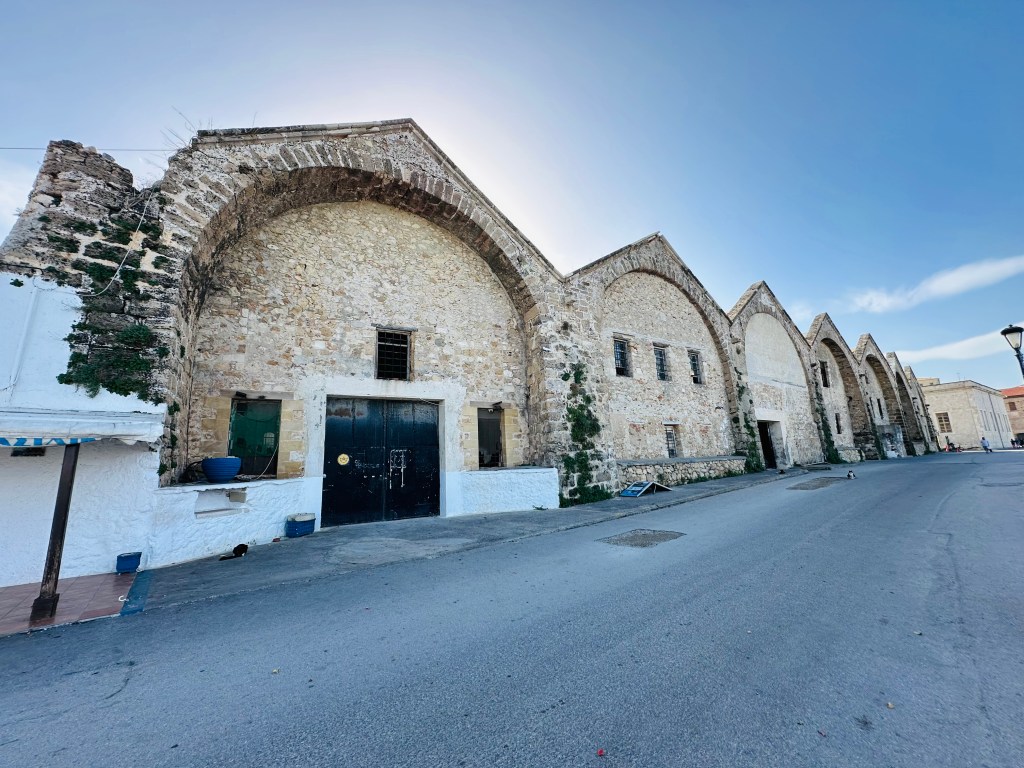
The shipyards of Chania in the Venetian Period (Grande Arsenale)
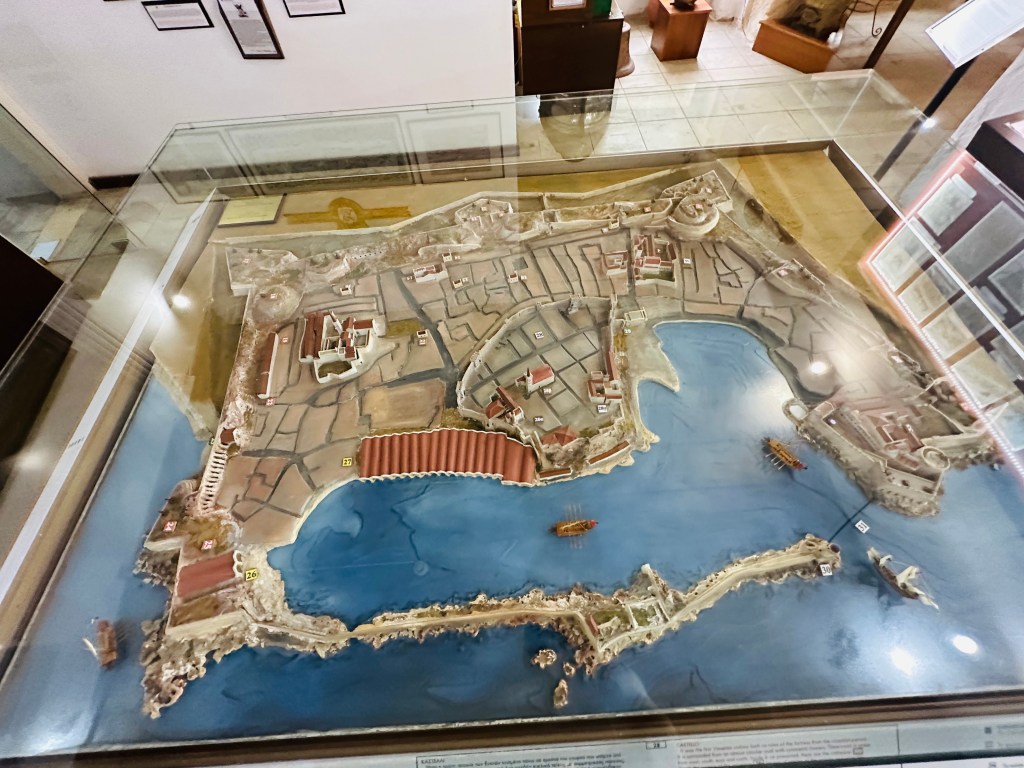
Maritime Museum of Crete (Chania)
#historyofvenice #historyofcrete #venetiancrete #medieval
 VenetianCrete
Yorum bırakın